CEN/CENELEC

Available (89)

Showing 85 - 89 per page


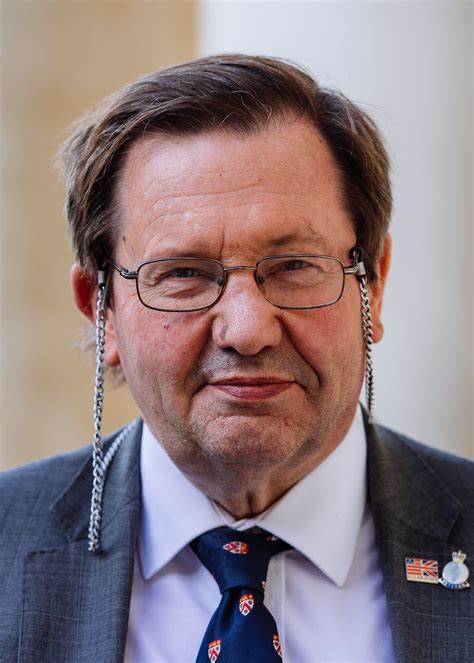
Patrick Bezombes

Description of Activities

My work supports AI trustworthiness characteristics such as robustness, human oversight, accuracy, cybersecurity, and transparency (all those are requirements from the AI Act).

Country
France
Fellow's country
Open Call Topics
Impact on SMEs (1st Open Call)
SMEs will be strongly impacted by the future set of harmonised standards in support of the AI Act. One of the aims of the JTC 21 is to provide standards that are innovation-friendly and actionable. Following JTC 21/WG 1 work, a dedicated AHG (AHG 9) has been set up to support SMEs.
Impact on SMEs (4th Open Call)
This project clarifies for SMEs when they use standards related to trustworthiness characteristics, as conformity assessment for those characteristics will be done for defined domains and operating conditions.
Impact on SMEs (8th Open Call)
The future JTC21 harmonized standards will impact every organisations involved in highrisk AI systems and willing to put their product on the EU market. Those future harmonised standards aim also at protecting health, safety and fundamental rights and have therefore an impact on European societies.
Impact on society (1st Open Call)
My work supports AI trustworthiness characteristics such as robustness, human oversight, accuracy, cybersecurity, and transparency (all those are requirements from the AI Act).
Impact on society (4th Open Call)
The impact is potentially significant worldwide, as the European regulation on AI and its subsequent harmonised standards will be followed by any international company that wants to do business in Europe.
Organisation type
Organization
Independent Expert
Portrait Picture
bezombes
Proposal Title (1st Open Call)
AI standardisation roadmapping
Proposal Title (4th Open Call)
Artificial Intelligence - Operational Design Domain for AI systems
Proposal Title (8th Open Call)
AI standardization roadmapping in support of the AI Act standardization request
Role in SDO
Standards Development Organisation
Topic
Artificial Intelligence
StandICT.eu Year
2026
Year
Topic (1st Open Call)
Topic (4th Open Call)

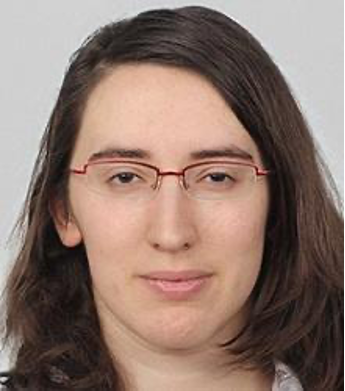
Octavian Popescu

Description of Activities

Clarifying for the EU SMEs and European societies the direction they would have to take to evolve and change their product, ensuring their compliance with the regulatory obligations activated in the RED Delegated Act.

Country
Belgium
Fellow's country
Impact on SMEs (2nd Open Call)
I am contributing to work on cybersecurity evaluation industry protocols, and it is important for SMEs that protocols are based on published harmonised EN standards, so that they can be used by the radio communications equipment manufacturers and all other stakeholders to evaluate their equipment for the purpose of legal compliance to the cybersecurity requirements and therefore ultimately to improve their response to threats.
Impact on SMEs (5th Open Call)
By its nature, the CRA covers all products with digital elements, and therefore, all supply chain segments are in it, including SMEs, and the European SMEs and societies are at the forefront. A successful and clear standardisation deliverable is the outcome of this standardisation process.
Impact on society (2nd Open Call)
While the society at large is not aware of the work done in this or most fields of expertise, the overall objective is to improve the way end-users communicate via their internet connected devices.
Impact on society (5th Open Call)
In this spirit, the CRA-related standardisation work produces instructions for manufacturers of devices with digital elements explaining that they will now have to include technical features to improve the level of cybersecurity of such devices before placing them on the European market.
Organisation type
Organization
Consultant, Reseacher - EUCOMREG
Portrait Picture
Popescu
Proposal Title (1st Open Call)
Proposal for requirement regarding the elimination of publicly known exploitable vulnerabilities
Participation in the development of standardisation work in support of RED Articles 3(3) (d/e/f)Participation in the development of standardisation work in support of RED Articles 3(3) (d/e/f)
Proposal Title (2nd Open Call)
Participation in the standardisation work at the ESOs for the Cyber Resilience Act proposal
Proposal Title (5th Open Call)
Participation in the standardisation work at the ESOs for the Cyber Resilience Act proposal
Standards Development Organisation
Topic
Network and Information Security
StandICT.eu Year
2026
Year

Christophe Stenuit

Description of Activities

I am to positively influence the European market and its infrastructures by benefiting from international contributions (e.g. ISO/IEC) in the controlling of civil security and the protecting of e-identity and e-privacy.

Country
Belgium
Fellow's country
Impact on SMEs (2nd Open Call)
Recent EU GDPR, eIDA2 regulations and NIS-2 directives developments impose a different view on IT risks, information security, data privacy protection and identity management controls, and by this a different awareness of the consequences that may fall improper compliance to good practices. Therefore, good standard references help establish confidence and maturity improvement in yesterday's matters.
Impact on SMEs (6th Open Call)
SME are better aware of risks and of controls required in IT and information protection. Recent EU GDPR, eIDA2 regulation, DORA, and NIS-2 directives developments impose a different view on IT risks, information security, data privacy protection and identity management controls, and by this a different awareness of the consequences that may fall down improper compliance to good practices. Good standard references help confidence establishment and maturity improvement in matter yesterday far from SMEs' concerns.
Impact on SMEs (7th Open Call)
SME are better aware of risks and of controls required in IT and information protection. Recent EU GDPR, eIDA2 regulation, DORA, and NIS-2 directives developments impose a different view on IT risks, information security, data privacy protection and identity management controls, and by this a different awareness of the consequences that may fall down improper compliance to good practices. Good standard references help confidence establishment and maturity improvement in matters yesterday far from SMEs' concerns.
Impact on SMEs (8th Open Call)
SME are better aware of risks and of controls required in IT and information protection. Recent EU GDPR, eIDA2 regulation, DORA, and NIS-2 directives developments impose a different view on IT risks, information security, data privacy protection and identity management controls, and by this a different awareness of the consequences that may fall down improper compliance to good practices. Good standard references help confidence establishment and maturity improvement in matter yesterday far from SMEs’ concerns.
Impact on society (2nd Open Call)
Christophe's Fellowship protects freedom and security of Europe and its citizens. Standards on reference architectures around e-identity and e-privacy management ensure protocols are in place to protect citizens and societies from cybersecurity and network threats. Finally, data protection good practice ensures any risk on identity information is mitigated uduring information processing.
Impact on society (6th Open Call)
This activity impacts the societal challenges in three key areas:
Secure societies - protecting freedom and security of Europe and its citizens: Supporting standards on e-identity and e-privacy information management ensures identity information lifecycle, identification, bound proofed identity information and authentication of citizen and societies are in place before authorized accesses to services is provided without compromising their privacy;
Cybersecurity, network and identity information security: Standards on reference architectures around e-identity and e-privacy management ensure information infrastructure has the required controls in place to protect citizen and societies while accessing and using provided services;
ePrivacy protection: Data protection good practice ensures any risk on identity information is mitigate during the processing of the information.
Impact on society (7th Open Call)
This work has societal impact at least on three axes, including:
Secure societies - protecting freedom and security of Europe and its citizens: Supporting standards on e-identity and e-privacy information management ensures identity information lifecycle, identification, bound proofed identity information and authentication of citizens and societies are in place before authorized accesses to services is provided without compromising their privacy;
Cybersecurity, network and identity information security: Standards on reference architectures around e-identity and e-privacy management ensure information infrastructure has the required controls in place to protect citizens and societies while accessing and using provided services;
ePrivacy protection: Data protection good practice ensures any risk on identity information is mitigated during the processing of the information.
Organisation type
Organization
Viewconcept.be
Portrait Picture
stenuit
Proposal Title (1st Open Call)
Contribution to e-identification and e-authentication at CEN/CLC/JTC 13 and ISO/IEC JTC1/SC 27 WG5’s
Proposal Title (2nd Open Call)
ntribution to e-identification and e-authentication at CEN/CLC/JTC 13 & ISO/IEC JTC1/SC 27 WG5’s
Proposal Title (3rd Open Call)
Contribution to e-identification and e-authentication at CEN/CLC/JTC 13 & ISO/ IEC JTC1/SC 27 WG5’s
Proposal Title (5th Open Call)
Contribution to e-identification and e-authentication at CEN/CLC/JTC 13 & ISO/IEC JTC1/SC 27 WG5’s
Proposal Title (6th Open Call)
contribute to a better harmonization of e-identity and privacy protection standardization support in Europe
Establishment of a Liaison Statement of ISO/IEC JTC 1/SC 27 WG 5 to CEN-CENELEC JTC13.
Contribution to the definition of AG5 on strategy as part of the ISO JTC1 SC27 WG5
Proposal Title (7th Open Call)
Contribution to e-identification and e-authentication at CEN/CLC/JTC 13 & ISO/IEC JTC1/SC 27 WG5’s
Proposal Title (8th Open Call)
Contribution to e-identification and e-authentication at CEN/CLC/JTC 13 & ISO/IEC JTC1/SC 27 WG5’s
Standards Development Organisation
Topic
Cybersecurity
StandICT.eu Year
2026
Year

CEN-CENELEC GUIDE 39

Technology transfer refers to the process of conveying results stemming from scientific and technological research to the market place and to wider society, along with associated skills and procedures, and is as such an intrinsic part of the technological innovation process. Technology transfer covers the complex value chain linking research to its eventual societal deployment. When browsing relevant material on the web, it strikes that typically the protection of intellectual property and related licensing are addressed. Yet, it is obvious that innovations, when brought on the market, also will depend on standards and have to consider standardisation.

This guide therefore will address:
• the benefits of standards and standardization to innovators;
• the links of intellectual property, patents and licensing with standardisation

Topic:
ICT
Standards Process
Standards Strategy
Language:
English
Format:
Other PDF
Level of expertise:
Entry level
Intermediate
Advanced
Created on:
07/27/2026
Attachments:

CEN-CENELEC GUIDE 23

This document provides guidance on addressing research and innovation (R&I) in European standardization activities and deliverables.

Topic:
Research
Standards Process
Standards Strategy
Language:
English
Format:
Other PDF
Level of expertise:
Entry level
Intermediate
Advanced
Created on:
07/27/2026
Attachments: